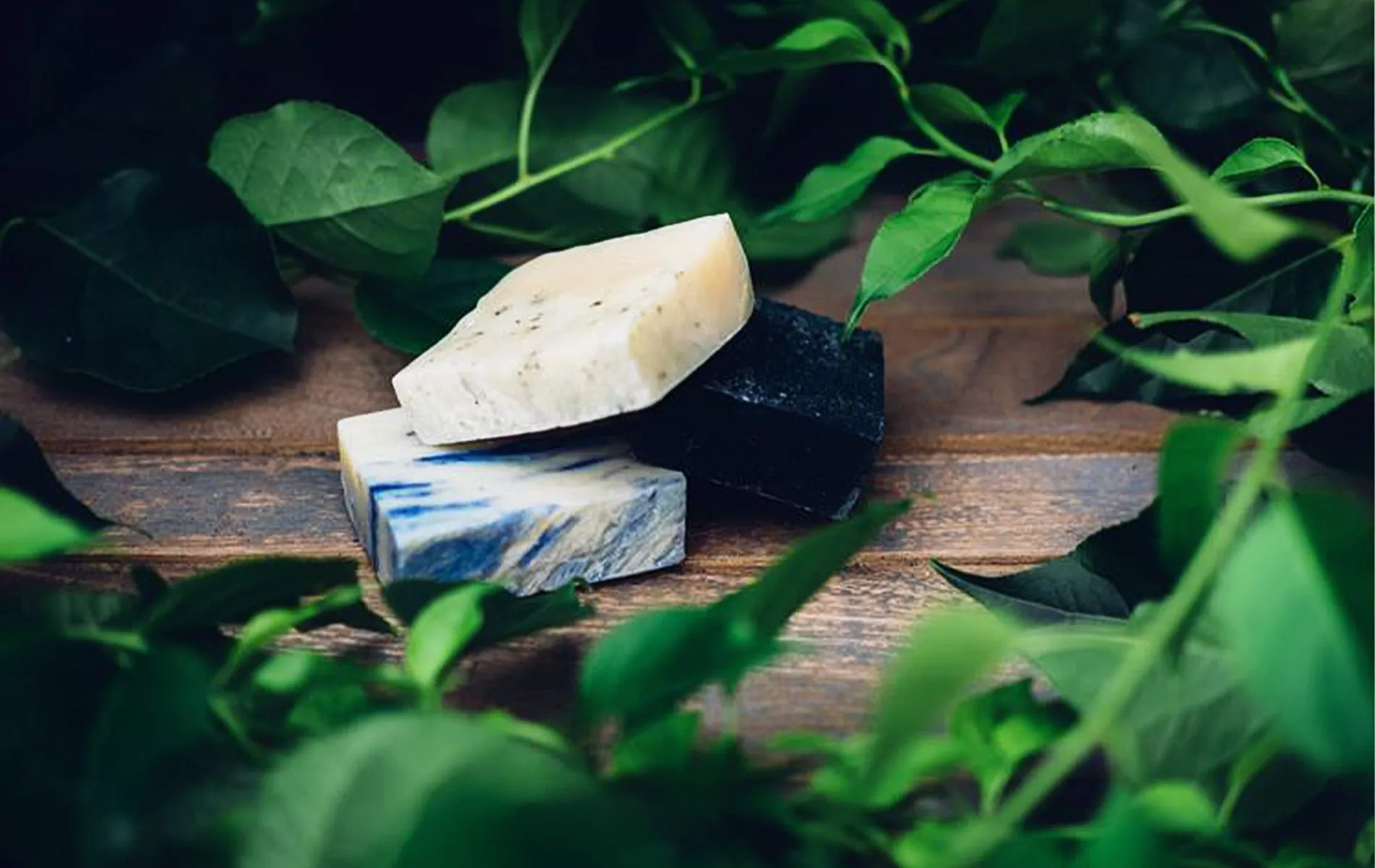
In the last few years, we have seen a significant increase in the production of cosmetics, as well as natural cosmetics, in Croatia, mostly in the segment of family farms. I will try to answer why this is so and whether family farms can carry out the activity of producing cosmetics.
I have been involved in education in the field of phytocosmetics, aromacosmetics, aromatherapy and cosmetology for many years, and I must admit that many people have passed my education and were encouraged to start their own business. I am extremely happy to see young people, especially, when they embark on an interesting project and follow all the instructions they received during training. OPGs are a special segment in which the “production of cosmetics” is growing. I deliberately put the production of cosmetics in quotation marks, because you really need to check the conditions under which they are engaged in production. If we look at how it happens according to all legal regulations, it will be clear to us why we are wondering and asking ourselves the question of production within OPG.
All of this requires a considerable financial amount, and everything is preceded by a quality recipe.
In the production of cosmetics, there are two ways in which a legal entity can produce cosmetics. Either they will have their own facility, which will correspond to the GMP standard (Good Manufacturing Practices), the requirements of which are prescribed by EU No. 1223/2009 and ISO 22716:2007, or they will sign a contract on service production with another legal entity that has a license from the Ministry of Health. The decision depends solely on the owner or management. In the first case, when OPG decides to have its own production facility, it is necessary to meet all criteria, from production space, arrangement, documentation, DDD measures, application to the Ministry of Health, and then application and product analysis. When the drive meets all the criteria, only then are the products ready. For products, it is necessary to create a PIF (Product Information File), which is preceded by certain chemical and microbiological analyses, and the creation of a declaration. The PIF is followed by a registration on the CPNP (Cosmetic products notification portal) portal, and only then can the product go on sale. All this requires a considerable amount of money, and everything is preceded by a quality recipe. Most OPGs, as a result of information available on the Internet, various online workshops, and at the same time workshops within certain retraining schools, courses and the like, gain a certain confidence and start developing and formulating their products. If there is education in all the previously listed activities, an indispensable person will be a product safety assessor who will warn if the product contains any illegal raw materials or raw materials that may not be in it due to technical reasons.
In the production of cosmetics, there are two ways in which a legal entity can produce cosmetics.
Unfortunately, in 95% of cases, we have not completed any of the above steps. There is no support from superior institutions that should inform and refer OPGs to institutions, and there is also no control by sanitary inspections. So we can witness a large number of OPGs that produce cosmetics in inadequate conditions, with raw materials that they produce themselves (macerates, oils, essential oils, bee by-products), pack them in food packaging and place a declaration that is not in accordance with regulations, and thus may endanger the health of potential consumers/users.
There is a strictly prescribed way of declaration and what concerns me the most is the listing of the composition according to the INCI nomenclature (International Nomenclature of Cosmetic Ingredients). Why? If we have a consumer who is allergic to a certain fragrance ingredient, bee products, nut oils, gluten, and we have not stated this correctly on the declaration, we can endanger the consumer’s health and thus ensure ourselves a considerable financial outlay in the form of a fine or a report.
I think that OPGs need education and people need to be guided and directed to rules, laws and regulations. Bringing a cosmetic product into compliance with all regulations is neither easy nor cheap, and you need to think about what is available at fairs and what is being sold via social media.
If we have a consumer who is allergic to a certain fragrance ingredient, bee products, nut oils, or gluten, and we have not stated this correctly on the label, we can endanger the consumer’s health and thus ensure a substantial financial outlay in the form of a fine or report.
The workshops that I have been leading and holding for over 7 years are places from which I try to warn about such problems and, if any of the participants decide to go into business, to guide them well. Of course, this is only a small part, and where are the rest of the OPGs that start without prior instructions and knowledge? I believe that we should support OPGs, whose cosmetics development is based mostly on their own raw materials, on generating income, and in some way preserving and improving the Croatian countryside, but the foundation is quality guidelines and information.