Following the trends in the cosmetics industry, surely no woman has missed the fact that serums are increasingly available in almost all brands of preparative cosmetics. Maybe you are not entirely sure what they are or maybe you are satisfied with the moisturizing power of the product you use and simply did not feel the need to change it. But even if you have not tried to change your current product, cosmetic serums have become increasingly popular and are truly a treasure for the skin.
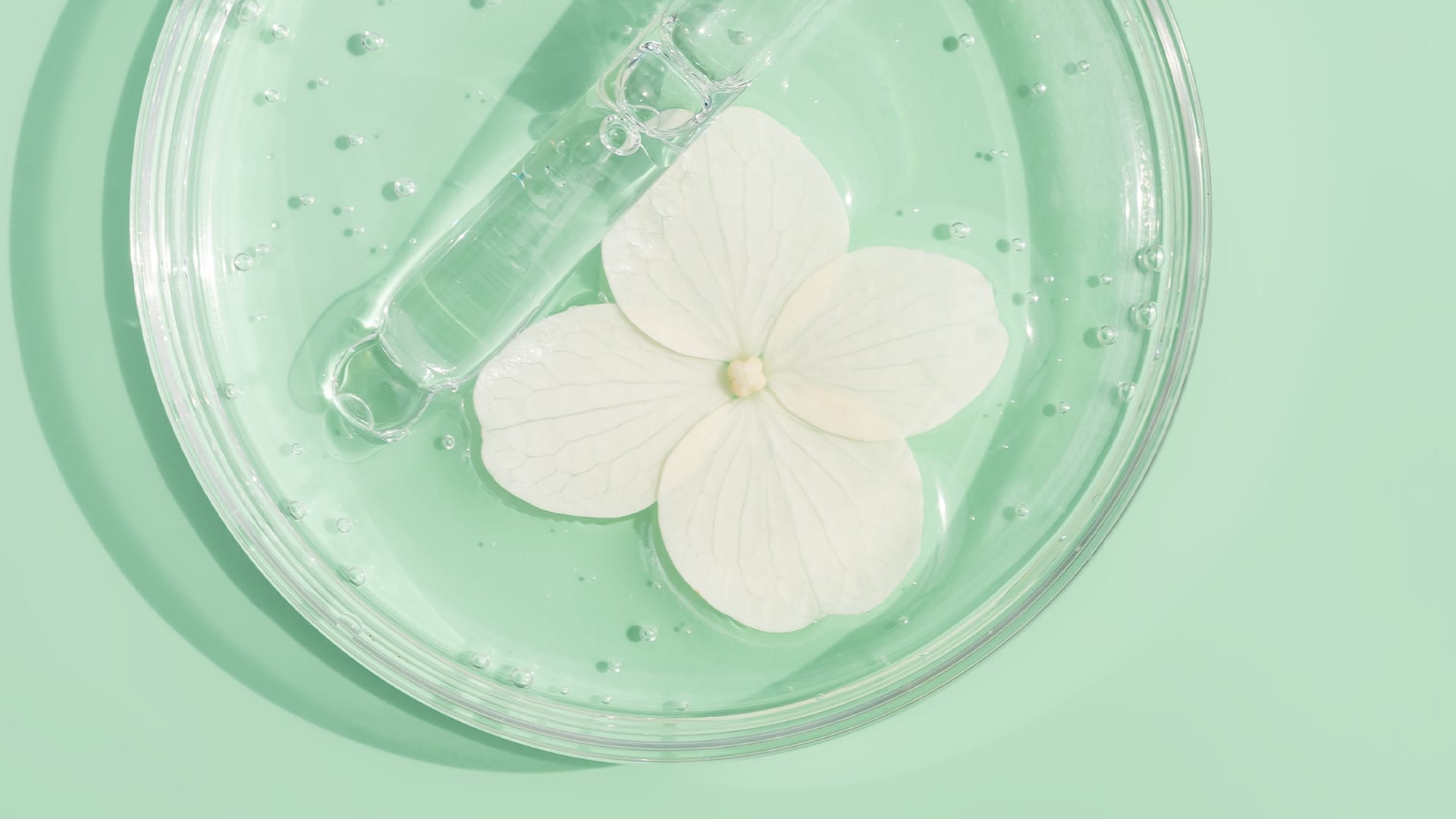
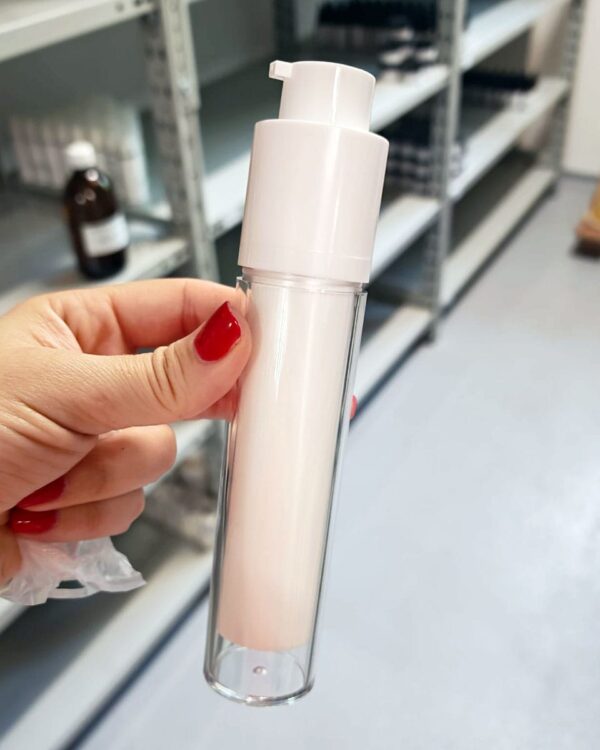
Serum is a form of cosmetic product that is primarily absorbed faster into the skin and has the ability to penetrate deeply into the skin, without leaving a greasy feeling. Serum is an intensive formula with a high concentration of active ingredients.
Following trends in the cosmetics industry, surely no woman has missed the fact that almost all brands of preparative cosmetics are offering an increasing range of serums.
Like many other cosmetic products, serums are designed with a focus on several different effects: anti-aging, whitening, anti-acne, hydration…etc. Due to the high content of active ingredients, they usually contain only a few of them that provide intensive nutrition for the deeper layers of the skin.
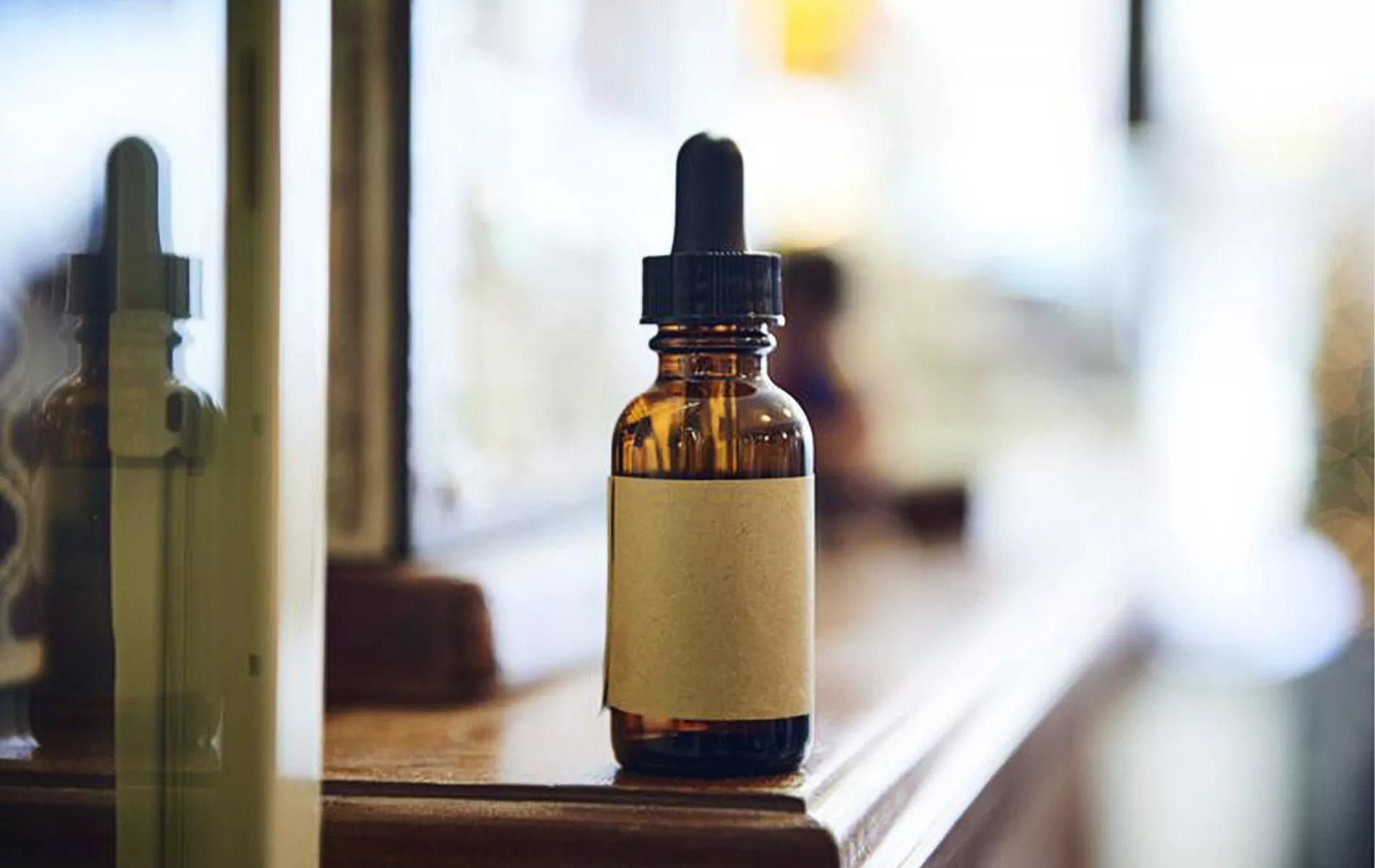
Just like many cosmetic products, serums are often based on a combination of oil and water, in the form of emulsions or only water-based (combined with a high content of sodium salt of hyaluronic acid) or only based on nutritional vegetable oils. The serum must have a light texture, and if it is an oily serum, it is necessary to add absorption enhancers during formulation, so that it penetrates the skin better and faster, without leaving a greasy feeling and enables the subsequent application of a cream or another product, as a continuation of care.
An unwritten rule for “water” serums, meaning those that primarily provide moisture to the skin and, for example, are a source of hyaluronic acid, is to apply them first after cleansing (in the evening) or after washing (in the morning) the face. Try to apply an oil serum, i.e. a serum that is rich in fatty acids from oil, as well as lipids, last, even after cream (if you apply one), because it “locks” all the ingredients in the skin and has a beneficial effect on the skin’s lipid layer, which will prevent moisture loss from the skin. Even if you don’t use an oil serum, a drop or two of a cold-pressed vegetable oil (apricot, plum, evening primrose, almond) will be a real treat for the skin.
Serum is a form of cosmetic product that is primarily absorbed faster into the skin and has the ability to penetrate deeply into the skin, without leaving a greasy feeling. Serum is an intensive formula with a high concentration of active ingredients.
Considering the high concentration of active ingredients, serums have much more visible results in a short period of time, compared to other cosmetic products. With sensitive skin, however, you should be careful because of the high content of active substances.
A few facts about serums:
- They act as concentrated, effective sources of nutrients and hydration for the skin
- Targeted at specific skin requirements
- Easily absorbed into the deeper layers of the skin
Why are they important especially at this time of year and should they be changed seasonally?
Each time of the year calls for special and customized skin care, especially for the face. In this cold season, our skin faces several unfavorable conditions. The first which represents the loss of moisture from the skin; is central heating and dry air in the rooms where we stay. These are offices, apartments, houses, and in this period we somehow stay more indoors. Because of this, our skin requires more intense hydration, and you will definitely choose serums that will provide it with this.
I recommend that you definitely include hyaluronic serums, if you haven’t already. However, due to colder air and increasingly frequent wind, the hydrolipid layer of the skin is damaged, especially with an emphasis on the lipid layer (fat on the skin). This layer is extremely important to us and continues to protect and preserve moisture in the skin. Because it is precisely this that “locks” and preserves moisture in the skin. Not only the face, but the entire body. In addition to cold and wind, the biggest enemies of the skin’s lipid layer are cleaning products, so be careful of them too. To protect and restore this extremely important layer, use oil serums or simply cold-pressed vegetable oils that suit your skin type:
- Dry skin: almond, apricot, wheat germ oil
- Oily skin: hazelnut oil, grape seed oil, jojoba oil
- Combination skin: macadamia oil, avocado
You can make such a serum yourself:
For dry skin care:
- Apricot vegetable oil 5 ml
- Wheat germ vegetable oil 5 ml
- Lavender essential oil 4 drops
- German chamomile essential oil 4 drops
For the care of oily and combination skin:
- Grape seed vegetable oil 5 ml
- Wheat germ vegetable oil 5 ml
- Vetiver essential oil 4 drops
- Geranium essential oil 4 drops
Always apply this serum last in your facial care routine, I especially recommend it in your evening facial care, when after cleansing your face, apply a few drops and massage in gently.
Who are the most popular serums for and who are they not for?
If we talk about trends in serum products, then we are talking about active components such as hyaluronic acid, vitamin C, retinol, but also increasingly AHA fruit acids. A population of women who are particularly sensitive, especially to retinol products, are pregnant women. They should definitely avoid such products.
How to choose them and what to look for when choosing?
The market is really full of cosmetic serums, but when choosing, pay attention to the presence of parabens (Ethyl paraben, Butyl paraben, Methyl paraben, Propyl paraben). Look for the composition of the hyaluronic serum to contain at least the salt of hyaluronic acid (Sodium Hyaluronate) and hyaluronic acid, because then we can expect deep and surface hydration and an anti-aging effect. I would definitely not recommend buying a vitamin C serum if it contains pure ascorbic acid. What makes me especially happy is that natural forms of retinol or components that have similar or the same effect as bakuchiol, which is completely natural and harmless, are coming to the market.
How are they used and what are they combined with?
Always apply a hydrating serum before your cream, while an oil serum is always applied last in your facial skin care routine. An unwritten rule when it comes to morning and night care is that in the morning we use stronger and more intensive hydration products, while the evening is intended for skin regeneration and so-called recovery. That is why oily, nutritionally rich serums are especially important for our evening care.
What new ingredients are making a big splash?
Antioxidants will definitely always be present in facial serums, and I don’t see in what situations we should avoid them, because stress is increasingly present in our daily lives. This also creates an increased amount of free radicals in the skin, which interfere with the synthesis of collagen, elastin and hyaluronic acid. Exposure to blue rays from devices, TVs, computers, mobile phones and tablets also has an adverse effect on the skin. UV rays in the summer cause photoaging of the skin and of course the dirty air and smog to which we are increasingly exposed, especially in larger cities. Antioxidants are very effective in combating all these negative consequences.
However, new revolutionary groups of active components are coming to us, and one of them is probiotics for the skin, which restore the microbiome of the skin and stimulate the growth of our good bacteria on the skin, which protect it from infections and various pathogenic dermatological conditions. Let’s take into account that we clean and wash the skin of the face extremely often and thereby disrupt its natural skin biome.
And a special group are matrikin peptides or smart molecules, which are composed of short sequences of amino acids, peptides, which act from the inside and provide long-term effects against skin aging.
Can you overdo it with serums?
Of course you can. Be especially careful with serums that contain AHA fruit acids and retinol. Follow the instructions on the product.
Are some used on wet skin, can you just use the serum without any aftercare, or is it not recommended and why?
We can always apply an oil serum to damp skin, using light circular movements. This will mechanically create an emulsion on the skin and provide both moisture and protection. This is recommended for evening care, precisely because of the oil, which will take a little longer to absorb into the skin. After, for example, a hyaluronic serum, be sure to apply a face cream, because it also contains a portion of lipids, which will soften the skin and give it a pleasant feeling without tightening. Such serums are most often water-based and therefore give a feeling of dryness. This feeling of tightness and dryness on the skin is a signal that we are lacking natural oils.