Roll on Apricot – Formulation
We are still in the month of pink ribbon; the month when we encourage women to have preventive and regular breast examinations and early detection of breast cancer. But it is also the month when we need to talk about exposure to various factors that can affect the increased possibility of the disease. We must also be aware that research is ongoing and it takes time to come up with accurate and relevant information. It is up to us to inform ourselves.
First of all, let’s learn the difference between deodorant and antiperspirant
- Deodorant is used to eliminate or mask unpleasant odors caused by bacteria present in sweat. It does not prevent sweating, but rather acts against odor.
- Antiperspirant reduces or blocks sweating by temporarily “plugging” the sweat glands with aluminum compounds, thereby preventing sweat from reaching the skin’s surface and thus the development of unpleasant odors.
The main role here is played by our sweat glands, which are divided into apocrine (armpits, perianal area) and eccrine (all over the body). Apocrine glands secrete sweat rich in proteins and lipids, which, in interaction with bacteria, creates a specific odor and can release pheromones, body chemicals that can affect attraction and communication between people.
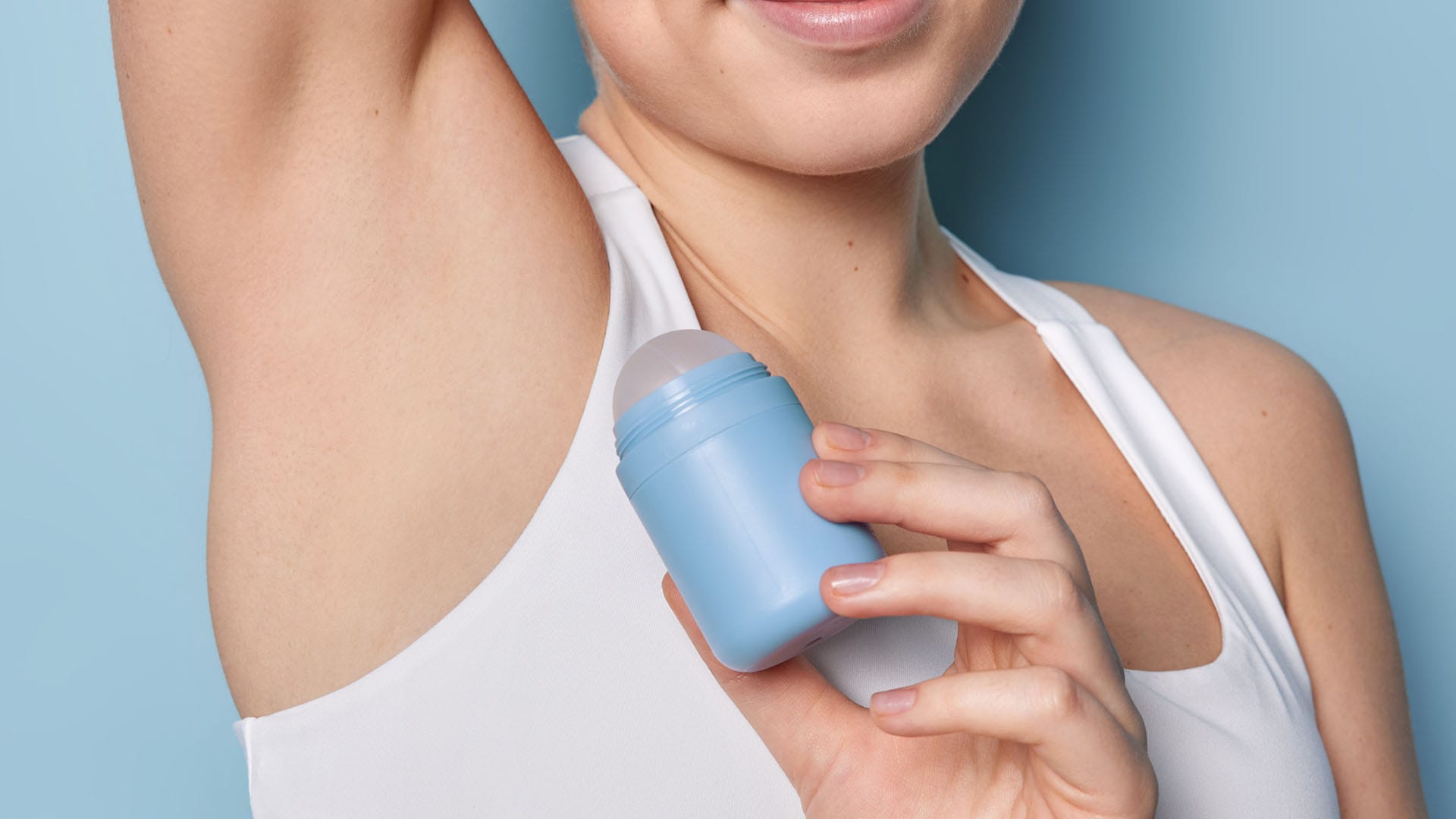
Apocrine glands become active during puberty and are often associated with emotional responses, such as stress or excitement, making them part of the body’s unconscious response to certain social and emotional stimuli. Eccrine glands are found throughout the body and secrete watery sweat, which helps regulate body temperature through evaporation. They are active throughout life.
Now things are a little clearer, because we know why our armpits “stink” when we sweat due to nervousness and stress, and why the rest of our body has no odor when we sweat due to high temperatures, exercise, and the like.
In this context, we look at the apocrine sweat glands and the armpit area of the body, to which we sometimes even apply deodorant or antiperspirant several times a day.
What have we learned so far?
Aluminum compounds are used as the active ingredient in antiperspirants, creating a temporary “plug” in the sweat ducts and preventing sweating. Some research suggests that aluminum from antiperspirants, which is often applied and left on the skin near the breasts, may be absorbed and have estrogen-like effects. Because estrogen promotes the growth of breast cancer cells, some scientists believe that aluminum compounds may contribute to the development of breast cancer. Research has also suggested that aluminum may act directly on breast tissue.
However, to date, no studies have confirmed significant adverse effects of aluminum that could increase the risk of breast cancer. A 2014 review concluded that there is no clear link between the use of aluminum-containing antiperspirants and an increased risk of breast cancer, but many scientists warn about two very important ingredients: aluminum and parabens.
Some research has focused on parabens, preservatives used in some deodorants and antiperspirants, which have been shown to mimic the effects of estrogen in the body’s cells. Parabens have been reported to be found in breast tumors, but there is no evidence yet that they directly cause breast cancer.
What is known about the link between antiperspirants or deodorants and breast cancer?
Only a few studies have investigated the possible association between breast cancer and antiperspirant/deodorant use. One 2002 study found no increased risk of breast cancer in women who reported using antiperspirants or deodorants. There was also no increased risk in women who used a razor and antiperspirant or deodorant, or in those who used antiperspirant or deodorant within an hour of shaving.
A later study in 2006 also found no association between antiperspirant use and breast cancer risk, although it included only 54 women with breast cancer and 50 women without breast cancer.
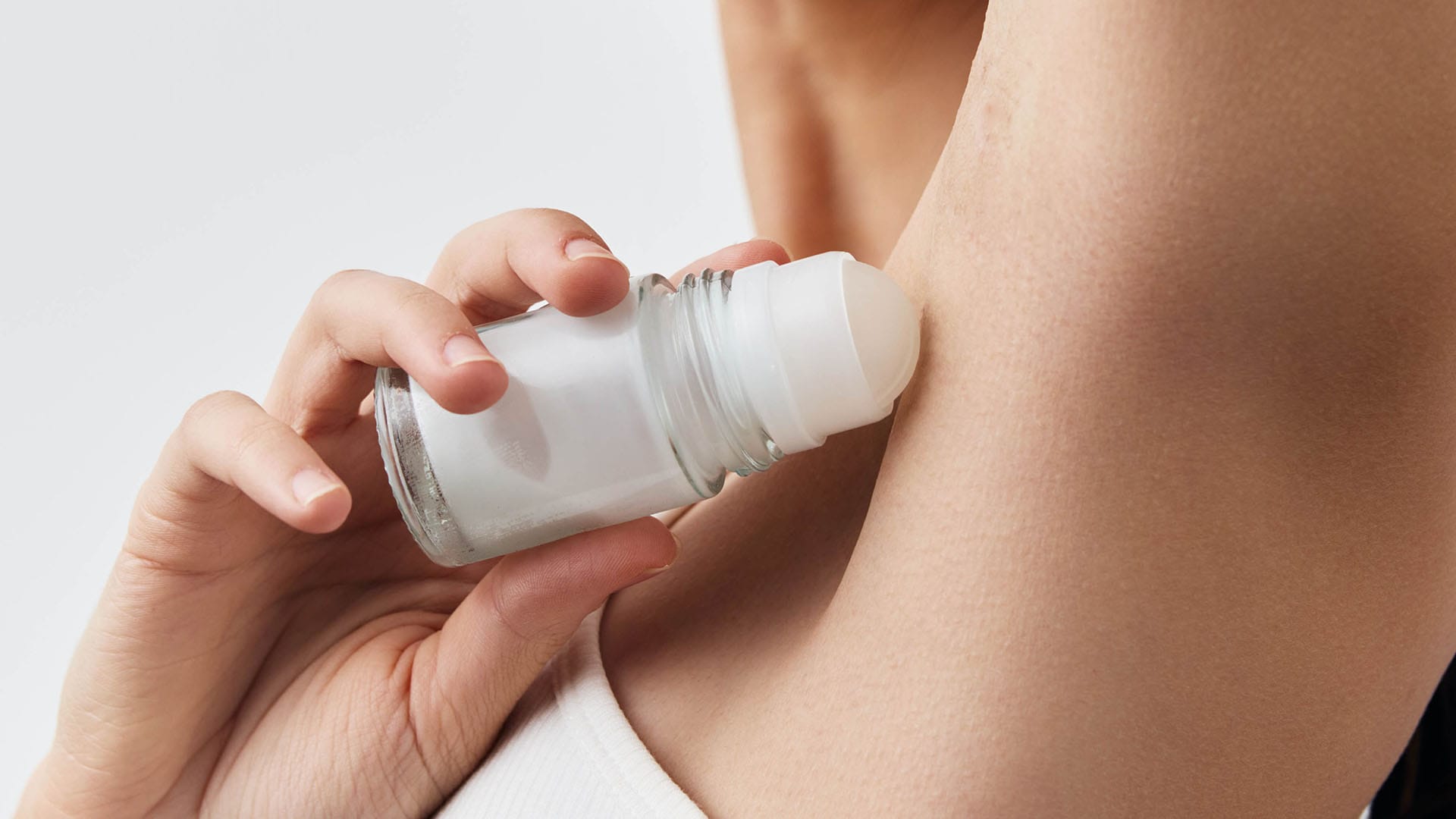
A 2003 retrospective study examined frequency of underarm shaving and antiperspirant/deodorant use in 437 breast cancer survivors, and found that women who used antiperspirants often or started using them earlier with shaving had a younger age of breast cancer diagnosis. Due to the retrospective nature of the study, the results are not conclusive.
Since studies on antiperspirants and deodorants and breast cancer have given mixed results, more research is needed to determine if there is a connection, and it is up to us to make the best decisions we can for our health, because after all, health and decisions are in our hands. If there are ingredients and products that we don’t have to doubt and ask ourselves so many questions; why not choose them?
What about baking soda?
First, a little background to help us better understand what keeps our skin healthy. Our skin maintains an optimal pH value between 4.5 and 6.5 (on a scale of 0 to 14). A pH of 7 is neutral, anything above that is alkaline, and anything below that is acidic. The thin, oily protective barrier on our skin – known as the “acid mantle” – maintains a slightly acidic pH. This means that for skin to function optimally, it needs to be slightly acidic within that range.
Baking soda has a very high pH of 9, which disrupts the acid mantle, leaving the skin exposed to damage and infection. Any increase in pH significantly changes the balance of the skin. For example, an increase of just one unit means that the pH is ten times more alkaline than before.
When baking soda is left on the skin, it interferes with the activity of enzymes on the surface, as well as “good” bacteria that love acidity. The result? When skin loses its protective oil barrier, it can become dry and cracked, prone to infections, or even become oilier to compensate for the loss of moisture. Baking soda often irritates, discolors, dries out, and makes skin more sensitive to sunlight, as a direct result of the damage it does to the skin’s protective acid barrier. It’s amazing what a small change in pH can do!
This is not a new realization for many people who have tried baking soda deodorants. Itching and burning in the form of a rash in the armpits are common side effects. The rash may not start immediately – it may only appear after a few days or even weeks.
Many natural deodorant brands mention that it can take up to six weeks for some people’s bodies to “get used to” them. Many of these brands use the term “armpit detox” to describe the period when your armpits “burn” due to the pH change caused by the baking soda. Whether or not you experience symptoms on the outside, the changes to your skin that you may not see can still be concerning. This also shows that there is more awareness of the problems caused by baking soda, but it is still a topic that is not widely discussed.
Applying baking soda just once is enough to dry out your skin, and it may take more than two weeks for it to return to normal. The longer you use baking soda, the more damage it can cause over time.
Fragrances we recommend in deodorants
According to the IFRA document and IFRA Cat.2 (Deodorant and antiperspirant products of all types including any product with intended or reasonably foreseeable use on the axillae or labeled as such (spray, stick, roll-on, under-arm, deo-cologne, etc.), Body sprays (including body mist).) you can use the following fragrances in these maximum concentrations:
- Soft Apricot – no restrictions
- Cotton Flower – 9.62%
- Baby Cotton – 14.23%
- Green Island (natural fragrance) – 26.69%
- Mix Red Fruits (natural fragrance) – 2.91%
- Strawberry Flavor Mix – 14%
- Iceland (natural fragrance) – 40.04%
- Fresh Wood (natural fragrance) – 2.6%